Door Restoration
For brownstones, townhouses, and landmark homes across the tri-state. We bring a failing original door back to full function and character — and in most historic districts, restoration is the path the law actually allows.
Schedule a free site assessment →The same door
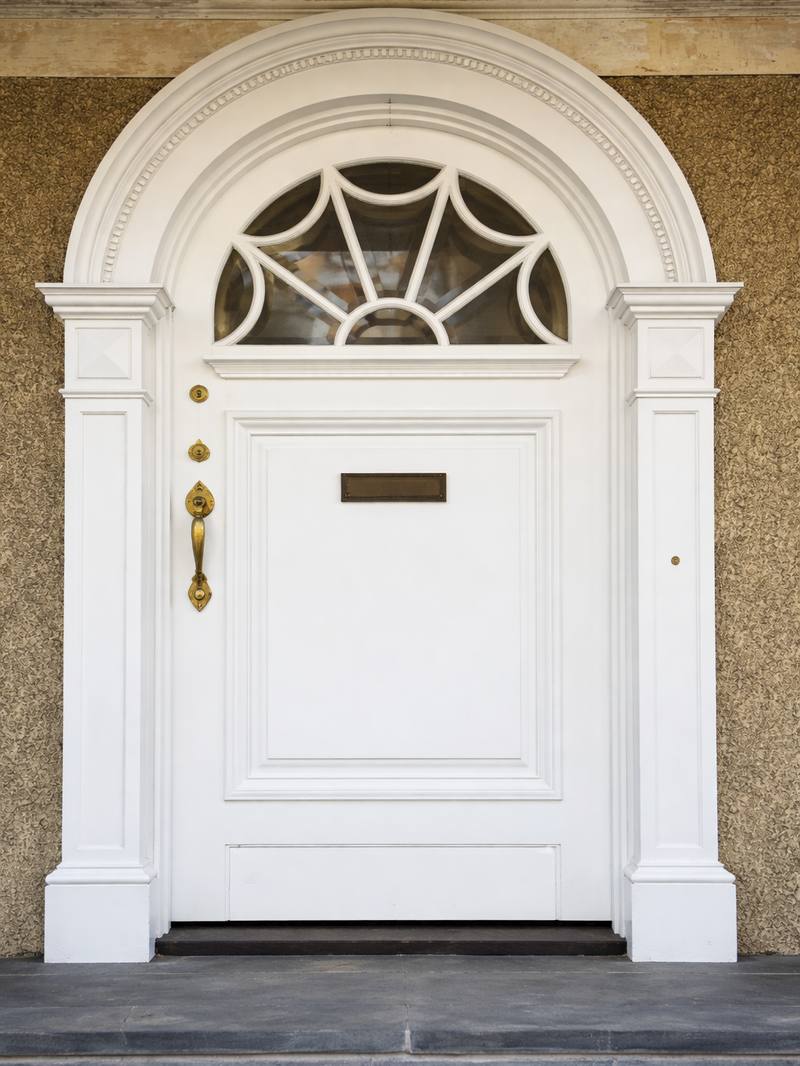
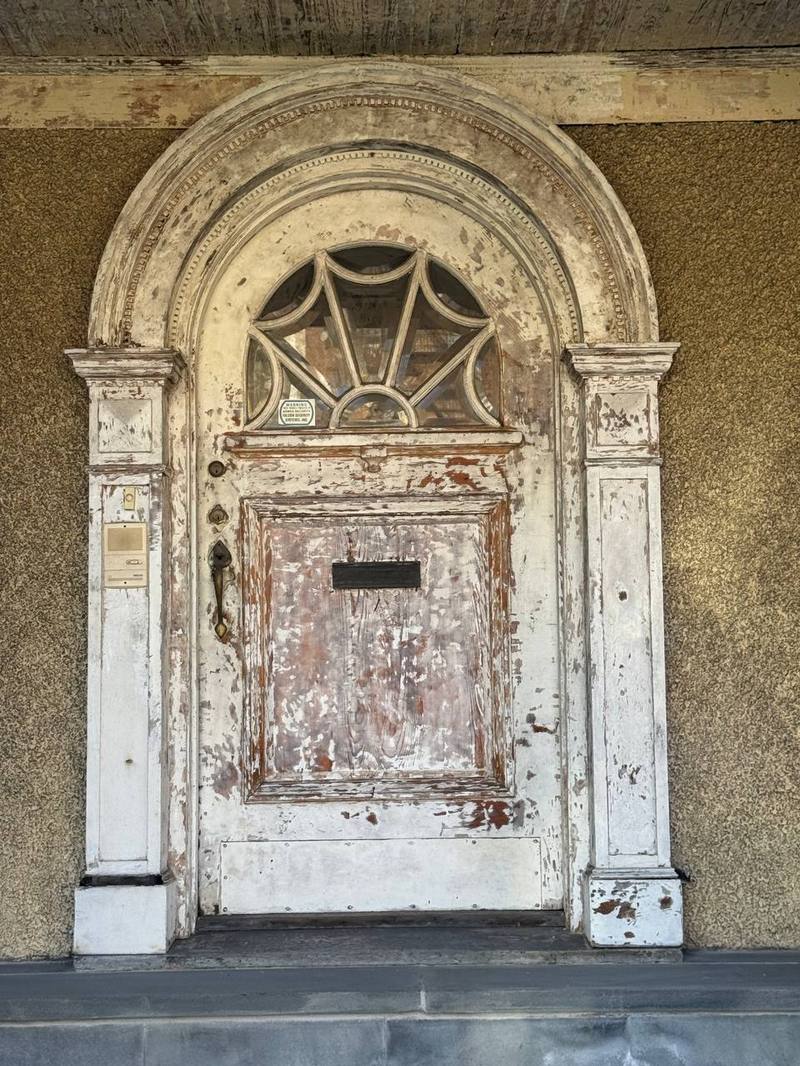
Restore vs replace
A new door — even a good custom one — trades away the one thing that makes your entrance yours: the original wood, the carved panels, the proportions that match the facade. For most historic properties, restoration is both the better outcome and the compliant one.
| Restoration | Custom replacement | Stock door | |
|---|---|---|---|
| Keeps the original character | Yes | No | No |
| Landmark-district compliant | Yes | Approval required | Often not allowed |
| Typical lead time | Weeks | Months | Days |
| Long-term performance | Generations | Good, if done right | Mediocre |
| Value for a historic home | Highest | Highest cost | Cheap upfront, costly to character |
The craft
Restoration is structural and cosmetic work by hand — not a coat of paint. We solve the underlying problems, then bring back the finish the door was built to wear.
Every project is scoped to one of three tiers — Refinish, Restoration, or Preservation — matched to the door's condition. See how the V3.1 system works →
Why restoration
In most NYC and tri-state landmark districts, you cannot replace a street-facing door without Landmarks approval — and frequently not at all. A faithful restoration keeps you compliant and avoids violations.
The old-growth wood and the craftsmanship in a 19th-century door cannot be bought new. Once it's gone, it's gone — replication is a copy, not the original.
There are fewer true wood restorers every year. We have worked on wood only — never replacement — since 2010, which is exactly why a restoration outlasts most replacements.
Process
The exception
Occasionally an element is too far gone — a door lost entirely, or damage beyond repair. In those cases we replicate it faithfully in wood, hand-matched to the original profile, species, and joinery. Learn about door & window replication →
Request consultation